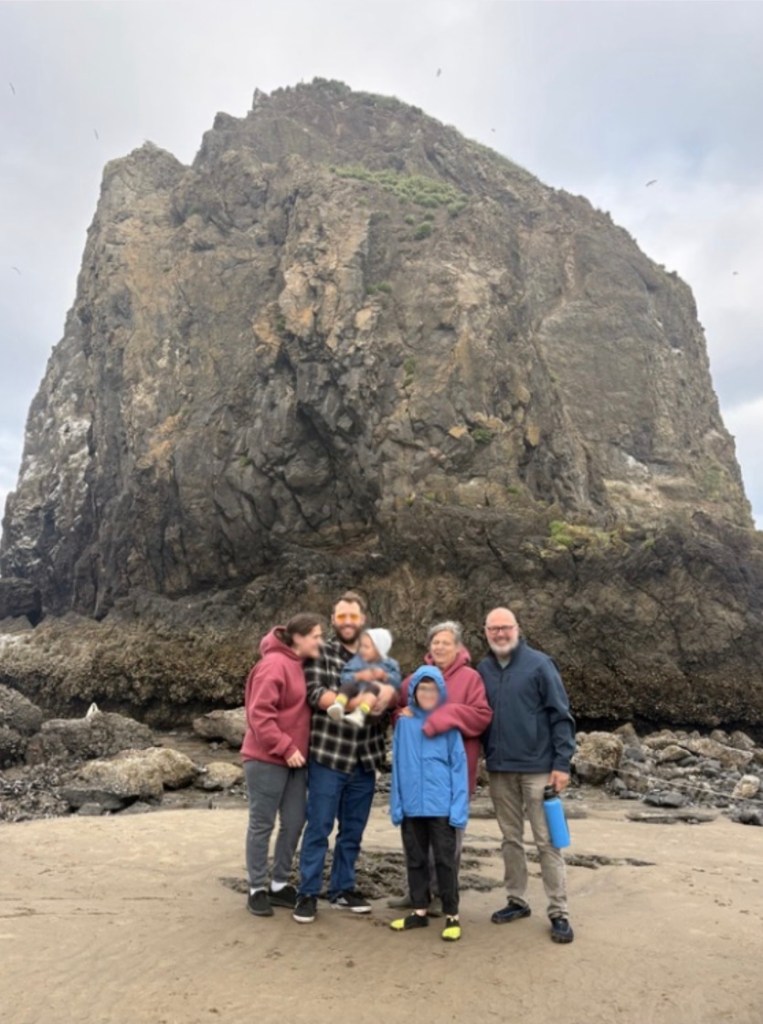
Last week we took a road trip to Cannon Beach, Oregon with one of our grandsons.
Cannon Beach has been part of my life for as long as I can remember. I came here as a child with my parents and siblings. Later, we brought our own children, and they fell in love with it too.
This year we had the chance to share it with our grandsons.
One came with his parents. The other came with just us because his parents weren’t able to make the trip, so we asked if we could take him anyway. Thankfully, they said yes.
What followed was our first vacation alone with a grandchild—an experience I’ll never forget.
Here are ten things I learned along the way.
1. Family Time Matters More Than Sightseeing
Before the trip, I imagined the highlights would be the places we visited.
Haystack Rock, the aquarium, the beach, the beautiful Oregon Coast.
And while he enjoyed all of those things, that’s not what he talked about most.
What mattered most to him was the time we spent together.
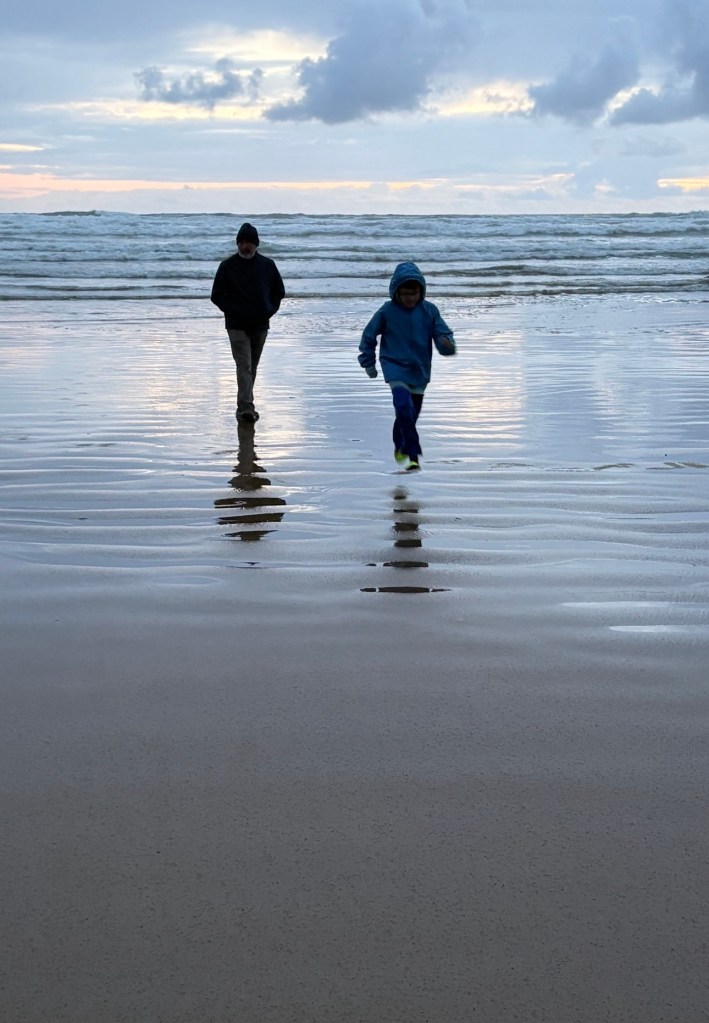
He wanted to swim in the pool. He wanted to play games. He wanted to make s’mores around the campfire. He wanted to laugh, talk, and simply be with Grandma and Grandpa and especially with his aunt, uncle and cousin.
In fact, some of our favorite memories happened in between the attractions. Sitting around the hotel room. Walking through souvenir shops. Sharing snacks. Talking about what we would do the next day.
As adults, we sometimes put a lot of pressure on ourselves to create the perfect vacation. We think we need to fill every minute with exciting activities and memorable destinations.
This trip reminded me that children often value something much simpler.
They want our attention, time, and connection.
The sightseeing was wonderful, but what he really wanted was us.
That turned out to be my favorite part, too.
2. Kids Feel More Secure When They Know What’s Coming Next
One thing that surprised me was how important it was for our grandson to know the plan.
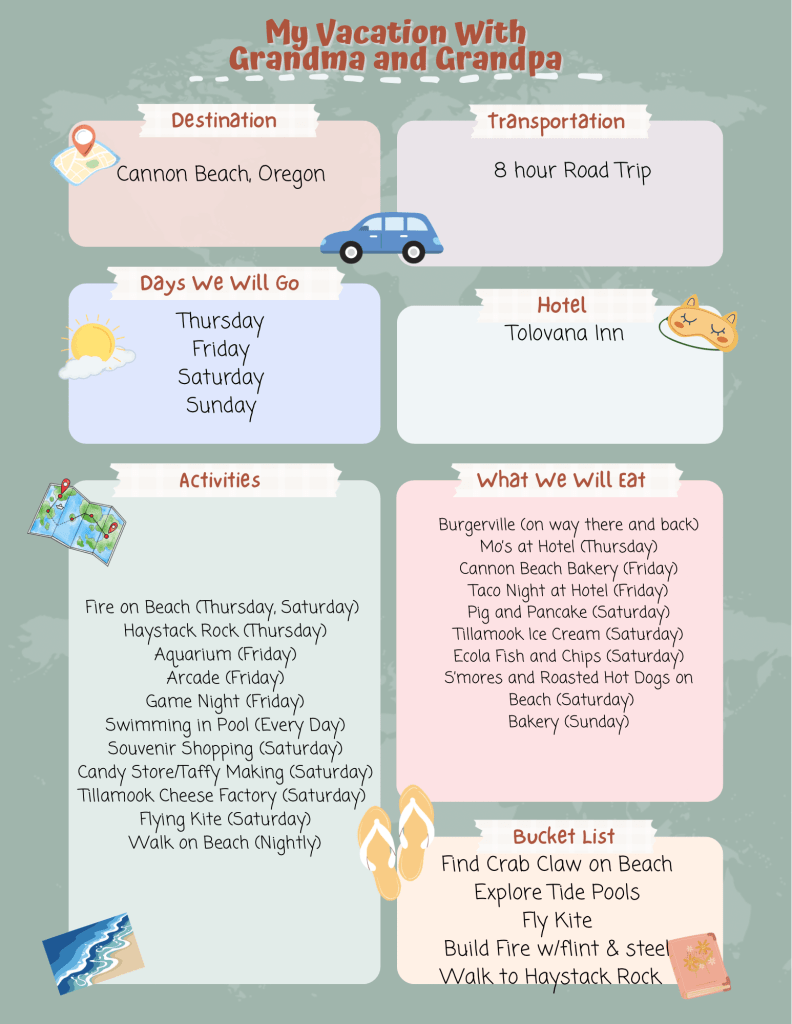
Each night we would talk about what we were doing the next day. What time we would wake up. Whether we were going to the beach, the pool, or out to eat. Nothing complicated—just a simple overview of what was coming.
Knowing the schedule seemed to help him relax.
I noticed that when he understood what to expect, he was more flexible when little things changed. When he wasn’t sure what was happening next, his anxiety tended to increase.
The same thing happened on the drive home. We let him track our route on Google Maps on his tablet so he could see where we were and how much farther we had to go.
Being able to see the journey helped him feel more in control.
As adults, we often think surprises make travel exciting. For many children, knowing what comes next is what makes travel enjoyable.
A little predictability can go a long way.
3. The Car Travel Activities I Thought Would Be a Hit Weren’t
Before we left, I spent quite a bit of time gathering activities for the drive.
I imagined my grandson happily working through activity books for hours while we cruised down the highway.
That is not exactly how it went.
Some of the activity books were more frustrating than fun. The pages were too complicated, the car was moving, and sometimes he just wasn’t interested.
The clear winner was an invisible ink book. It was simple, mess-free, and easy to use in the car. It came out again and again throughout the trip.
The clear loser was a craft kit. What seemed like a great idea at home turned out to be difficult to manage in a moving vehicle. Tiny pieces and limited elbow room are not a great combination.
On the drive home I sat in the back seat with him. We had a lot of fun using the hidden pictures books. At first he didn’t seem interested. So I took the book and started doing it by myself. I would talk out loud about how hard it was and I could t find certain things. Eventually he put down his iPad and helped me. Then he was fully committed. Again, playing together is what he craved the most.
Here are some links to the activity books he actually enjoyed.

That experience reminded me that grandchildren don’t always know they’ll enjoy something until they experience it. Sometimes our role isn’t to force an activity or convince them they’re wrong. Sometimes it’s simply to gently invite them to try something new and help them be successful.
For the most part, our grandson did great. But there were several moments during the trip when things didn’t go the way he expected, and his emotions quickly bubbled to the surface.

The moment he saw it flying, he wanted a turn.yum
And maybe he was a little of both.
That’s a lesson both my grandson and I learned on this trip. As a 57 year old trying to lose weight and get in shape post menopause, my body expects better care.
4. Souvenir Shopping Is an Event
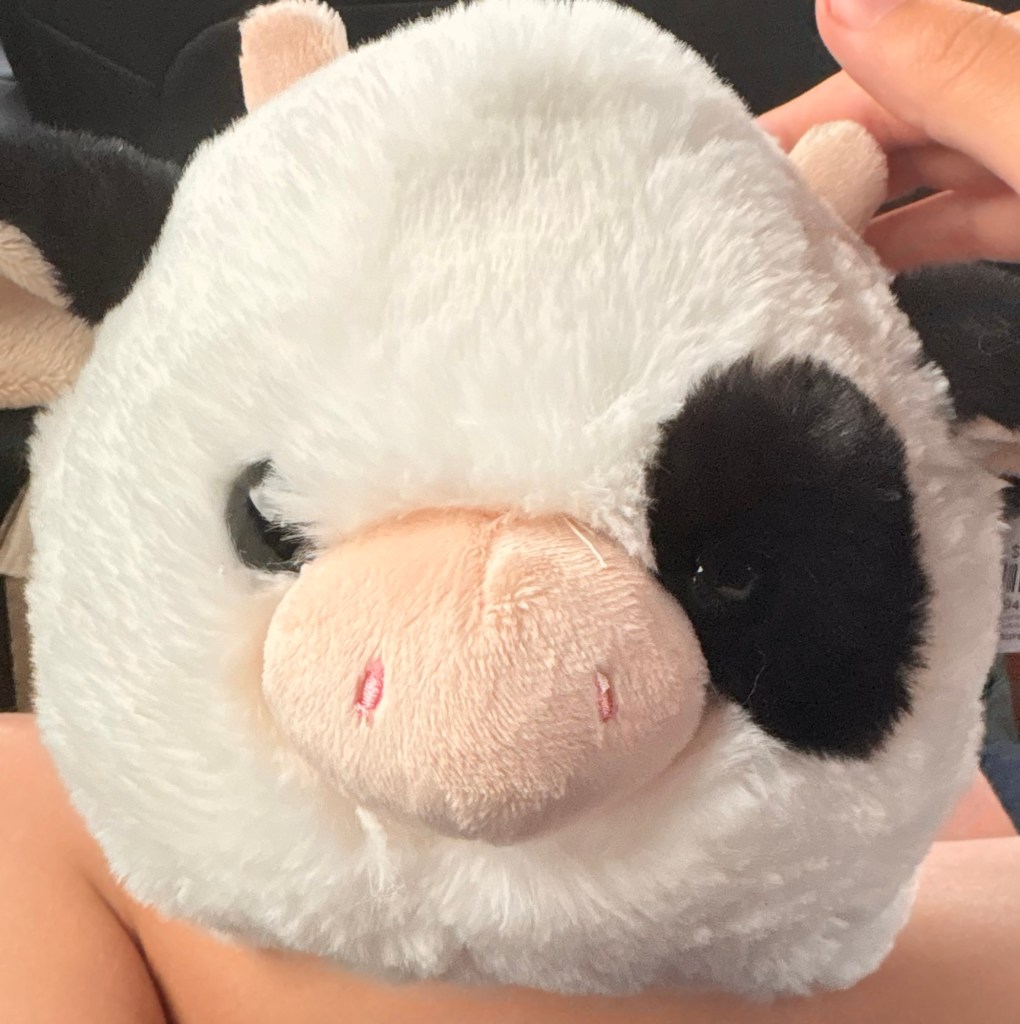
One thing I hadn’t anticipated was how much my grandson would enjoy souvenir shopping.
His birthday had been the week before, so he had plenty of birthday money burning a hole in his pocket. Every gift shop had to be explored.
I imagined he might want a snow globe, a keychain, or some other classic vacation keepsake.
Instead, he wanted stuffies. Also, I realized that souvenir shops aren’t what they used to be. The cheap plastic stuff is much more rare. The shops now are filled with more meaningful items. Clothes, stuffies, backpacks, toys, etc. The tchotchkes of the 90’s and early 2000’s are being replaced by stuff you actually want to keep or receive.
What surprised me wasn’t what he bought. It was how important the experience was to him. He loved looking through the shops, comparing options, and finding the perfect stuffy. Watching him carefully consider his choices was half the fun.
5. Sometimes Kids Need a Little Encouragement to Discover Something New
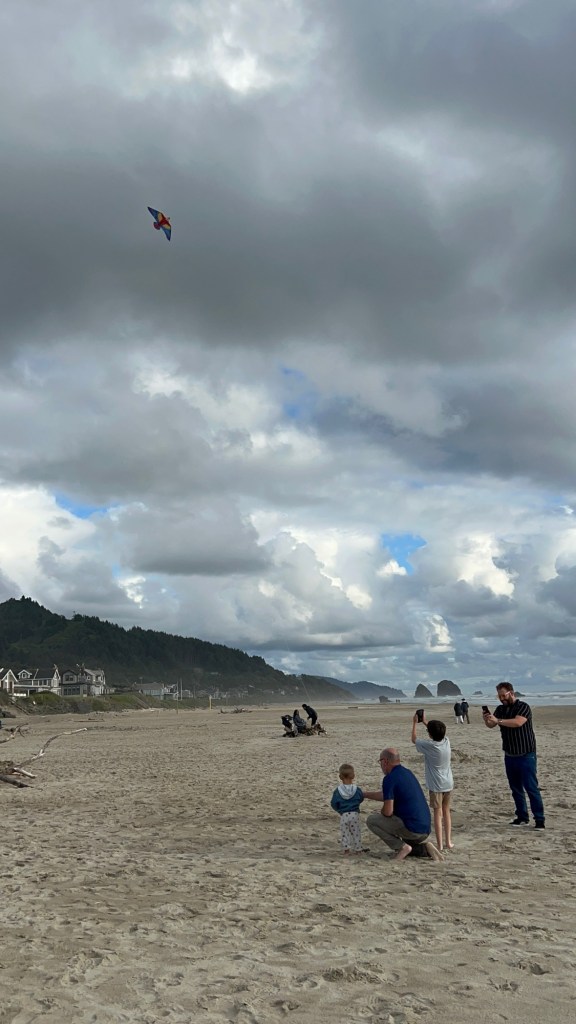
One thing I was reminded of on this trip is that our grandchildren won’t automatically love the same things we love.
At one point, we stopped at a kite shop. I thought flying a kite on the beach sounded like fun.
My grandson wasn’t interested.
He was convinced the kite wouldn’t work.
To be fair, his previous experiences with kites hadn’t been very successful. At home, we’ve all spent plenty of time watching kites dive into trees, crash into the ground, or refuse to fly with very little wind.
I tried explaining that flying a kite at Cannon Beach was different. The steady ocean breeze makes flying a kite much easier than it is back home.
He remained skeptical.
Finally, Grandpa took the kite down to the beach and got it soaring high in the air.
Suddenly everything changed.
Before long he was holding the string with a huge smile on his face, and teaching his two year old cousin how to do it.
It became one of the highlights of the trip.
6. Big Emotions Don’t Take a Vacation
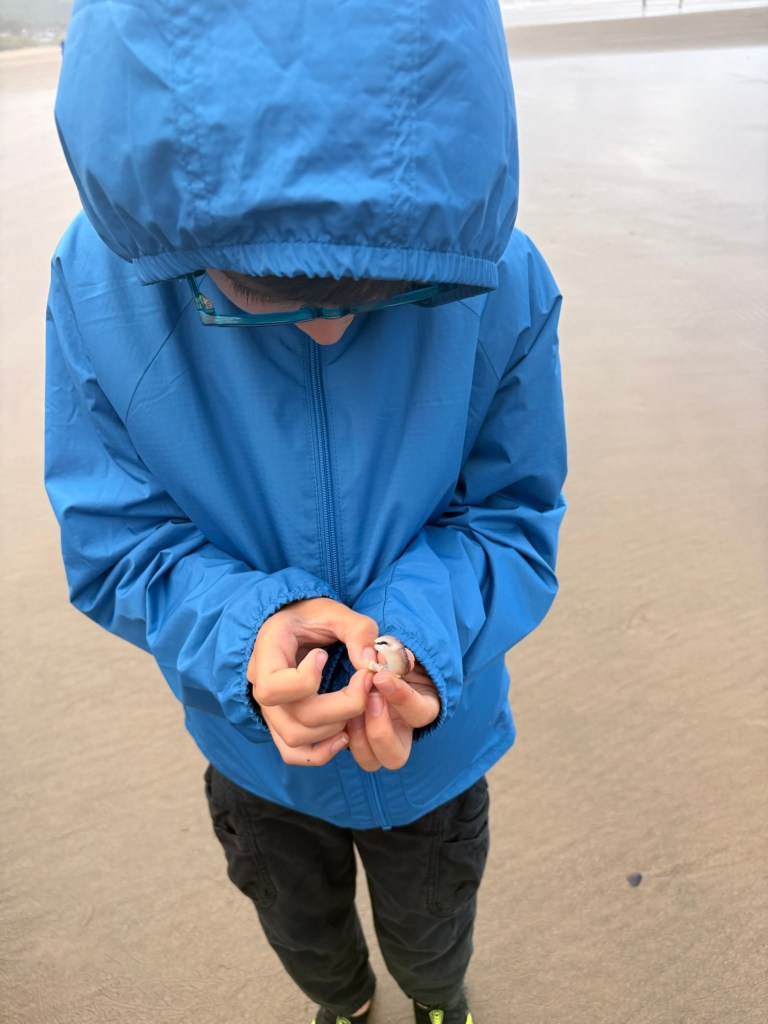
One thing I underestimated before this trip was how emotionally exhausting travel can be for children.
Even when a child is having fun, travel asks a lot of them.
They’re sleeping in a different bed. Eating different foods. Following a different routine. Spending time away from their parents. Experiencing new sights, sounds, and expectations.
That’s a lot for a young brain to process.
One day, car sickness threw everything off. Another day, too much sugar seemed to leave him feeling emotional and overwhelmed. Small frustrations that might have rolled off his back at home suddenly felt much bigger.
I kept reminding myself that he wasn’t giving us a hard time.
He was having a hard time.
That shift in perspective made all the difference.
When emotions ran high, we slowed down. We listened. We talked through what he was feeling. Sometimes we FaceTimed Mom and Dad. Hearing their voices helped reassure him that everything was okay. FaceTime is a very helpful tool for anxiety ridden kids.
Grandparenting isn’t just about making memories. It’s also about helping children feel safe when life feels big. It’s also about not making it about us when kids get sad, disappointed, or homesick. We can just sit with them as they work through it. We dont need to fix it, overcompensate for it, or take it personally.
7. Vacation Sugar Is Still Sugar.
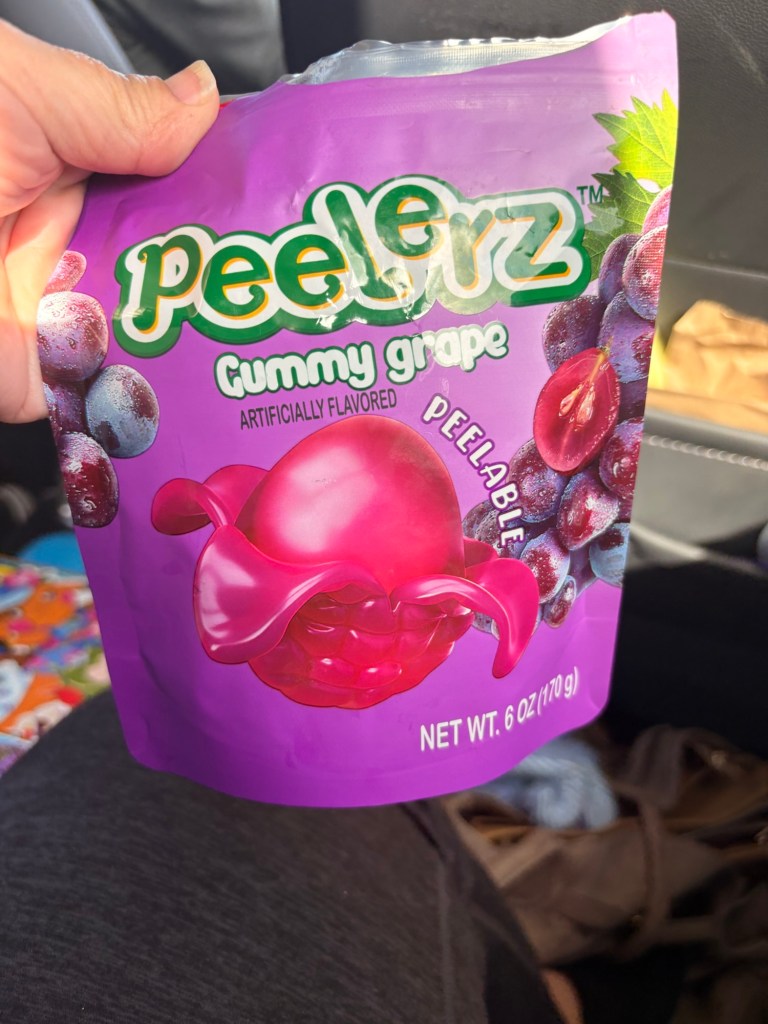
I knew our grandson would eat a little differently on vacation.
After all, vacations are for treats.
S’mores on the beach. Candy from the souvenir shop. A special dessert after dinner. A favorite snack from the gas station.
Those things are part of the fun.
What I didn’t fully appreciate was how much all of that could affect his emotions.
At first, I assumed he was tired or homesick.
But looking back, I think all the extra sugar and the disruption to his normal eating routine played a bigger role than I realized.
At home, children tend to eat on a fairly predictable schedule. Vacation is different. Meals happen at odd times. Treats show up more often. Healthy foods sometimes get replaced by convenience or restaurant kids meals. Everyone gets a little more relaxed about the rules.
None of that is necessarily bad.
But by the middle of the trip, I could definitely see the effects.
The experience reminded me that children’s bodies often speak before their words do. What looks like irritability, anxiety, or emotional behavior can sometimes be traced back to something as simple as being tired, hungry, overstimulated, or running on too much sugar.
If I were planning another trip, I wouldn’t eliminate the treats. Some of my favorite vacation memories involve ice cream and saltwater taffy.
But I would pay a little more attention to balance. One rough day reminded me that physical discomfort affects emotions. His and mine.
8. Don’t Forget the Medication
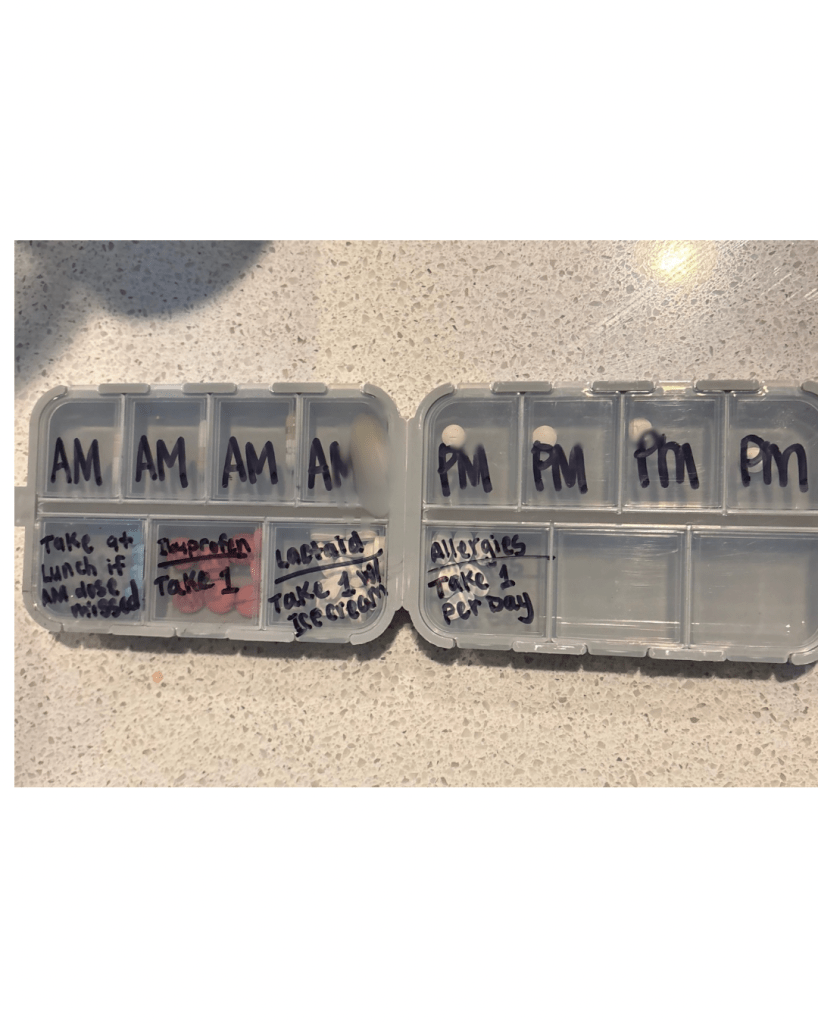
One thing this trip reminded me is how much parents carry in their heads every single day.
As grandparents, we know our grandchildren well. We know their personalities, their favorite foods, and the things that make them laugh. I watched my grandson full time his first five years of life. But he always went home at night to his parents.
The first night of our trip, we completely forgot to give our grandson his medication.
The next morning, we realized our mistake and immediately felt terrible.
A few days later, we forgot his car sickness medication. Unfortunately, we didn’t remember it until after he was already feeling sick.
Neither mistake was intentional. We simply weren’t used to being fully responsible for every detail of his daily routine for several days.
At home, his parents handle these things automatically. They don’t need reminder lists because they do them every day.
When you’re suddenly the primary caregiver on a trip, you quickly realize how many little things go into caring for a child.
Medication, motion sickness prevention, bedtime routines, favorite snacks, water bottles, comfort items. The experience gave me a whole new appreciation for parents and the mental load they carry.
It also taught me a practical lesson: make a checklist.
Not just for packing, for daily routines too. It’s surprisingly easy to forget the little things that help make those memories enjoyable.
Our first night was rough. The second night went much smoother.
9. Let Them Track the Journey
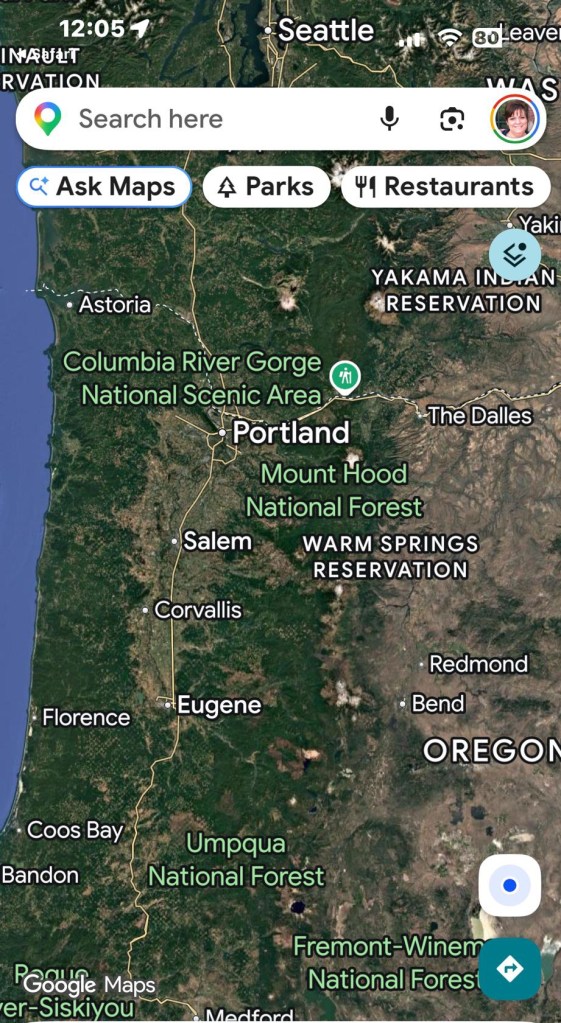
The drive home is always harder than the drive there.
The excitement of vacation is over, everyone is a little tired, and the miles can seem endless. I literally felt like we were crawling home. It was brutal.
As we headed home from Cannon Beach, I noticed my grandson asking the same question children have been asking for generations:
“How much longer?”
When you’re nine years old, eight hours can feel like forever.
Instead of guessing or giving vague answers, we let him track our route on the map on his tablet. It made a huge difference.
Every so often he would check the map, report how much time was left, and update us on our location. It gave him something to focus on and helped him feel involved in the journey rather than simply stuck in the back seat waiting for it to end. He also enjoyed tracking the change of time zones. And seeing the big signs welcoming us to another state.
The experience reminded me that children often handle difficult things better when they understand what’s happening.
The trip home didn’t get any shorter, but it felt more manageable because he could see the finish line.
10. The Hardest Part Was Going Home
Before the trip, I worried that my grandson might get homesick. Would he miss his parents? Would he want to leave early?
I was worried about the wrong thing. The hardest part wasn’t leaving home, it was leaving Cannon Beach.
We found out on the last night that he got the impression that we were staying longer than we actually were. When he realized we would be heading home the next morning, he was heartbroken. He sobbed, uncontrollably for hours. We FaceTimed his parents, talked through his feelings, and gave plenty of hugs. Mostly, though, we just listened.
That night taught me something important. Not every sad feeling needs to be fixed. Sometimes children are sad because something wonderful is ending.
He wasn’t just leaving the beach. He was leaving the swimming pool, the campfires, the souvenir shops, the games, and the special time we had spent together. Of course he was sad.
I understood exactly how he felt. I wasn’t quite ready for the trip to end either. I loved every minute of it. I found myself wishing we had planned one more day. We made it short not knowing how he would manage without his parents.
But maybe that’s how the best vacations end. Nobody is quite ready to go home. I am looking forward to bringing him back again, along with more of our grandchildren.


Leave a Reply